Acoustic Guitar Neck-to-Body Join: Sound and Playability

The position of an acoustic guitar’s neck to body join affects how the soundboard responds, how much playing space you have and how comfortably you can reach upper frets. For players comparing designs, 12, 13 and 14 fret joins each create a distinct balance of response and access.
How 12, 13 and 14 fret neck joints differ
A 12 fret design places the bridge near the center of the lower bout. Its response is more diffuse, which suits detailed fingerstyle playing, and each string meets the body at the octave. The tradeoff is reduced space above that point. Moving a capo up the neck can feel cramped on a guitar without a cutaway.
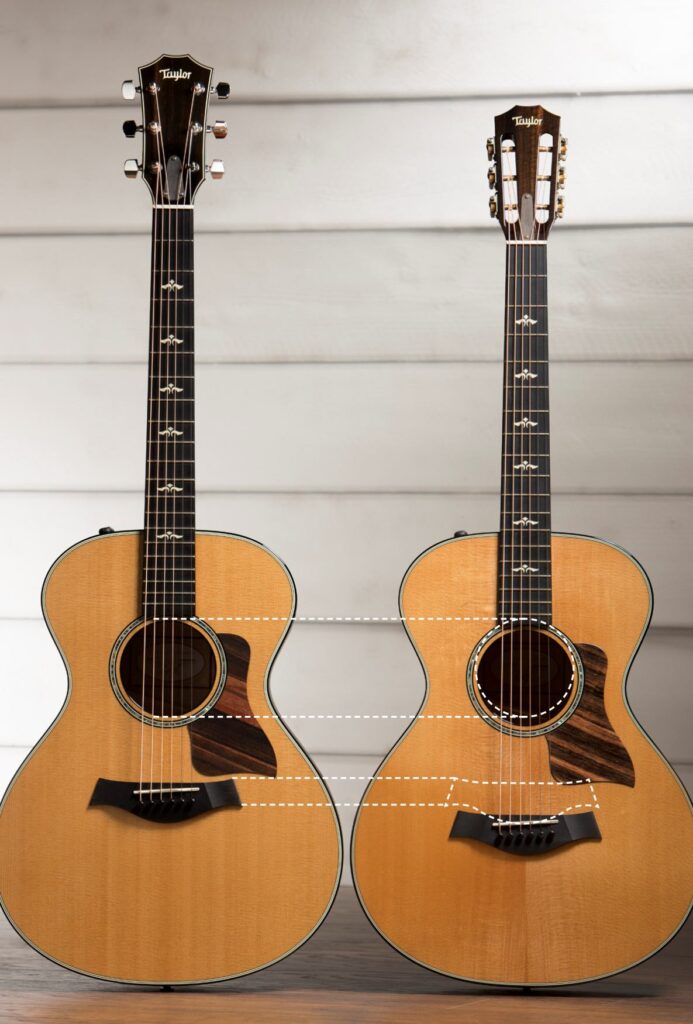
The common 14 fret design leaves more of the fretboard clear of the body, so upper notes are easier to reach. These guitars often have a slimmer neck and solid headstock. Their more direct articulation responds strongly to a pick and can hold its place in a band mix.
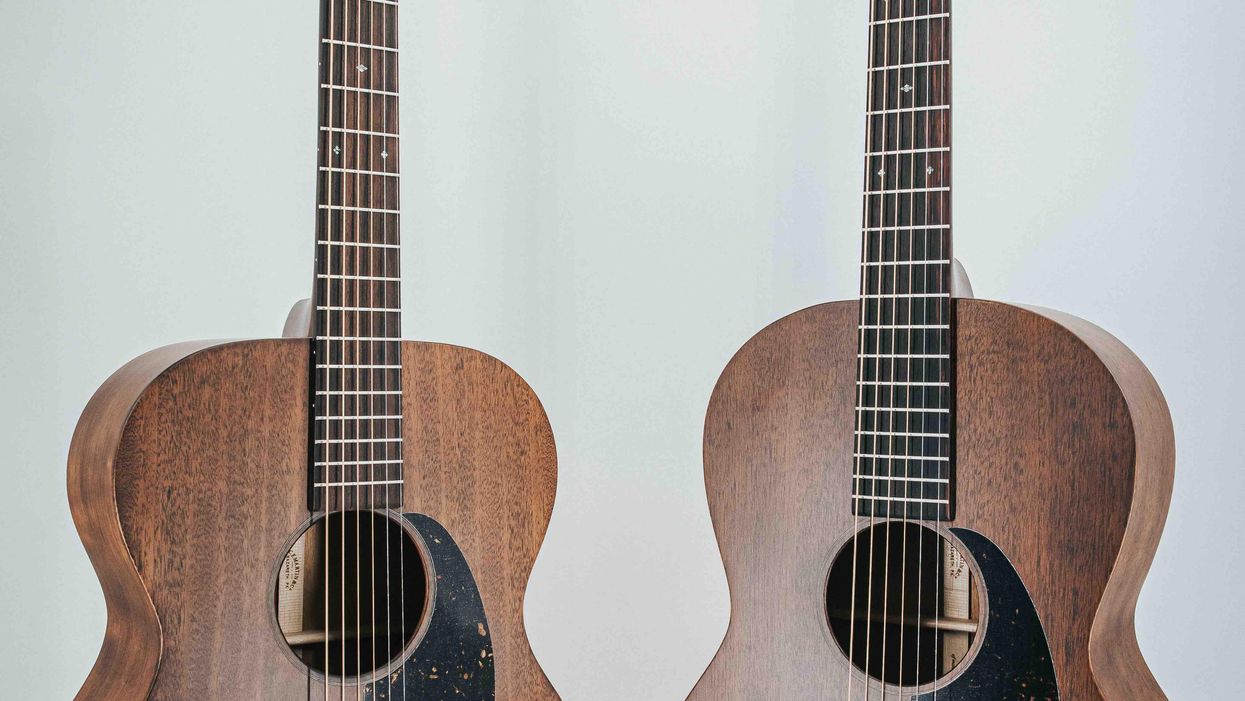
A 13 fret join sits between those approaches. It combines some of the warm, intimate response associated with a 12 fret guitar with some of the muscular articulation and extra playing space of a 14 fret instrument.
Why the join matters in daily practice
Compare the designs with your hands and ears rather than relying on specifications alone. On each available guitar, spend two minutes alternating the same fingerstyle passage with the same picked passage. Then play an octave E blues scale, move a capo progressively up the neck and sight down the strings toward the body joint. Keep the musical material unchanged so you can concentrate on response, upper fret access and the physical layout around the join.
(Via: Guitar World)