Wah-Wah Pedal Pioneer Del Casher Dies at 88
Guitarist, session musician and inventor Del Casher, who helped bring the wah-wah pedal to electric guitar, has died at 88. Casher died on October 1, 2026, following a battle with cancer, and news of his death was reported on November 9.
How the wah took shape
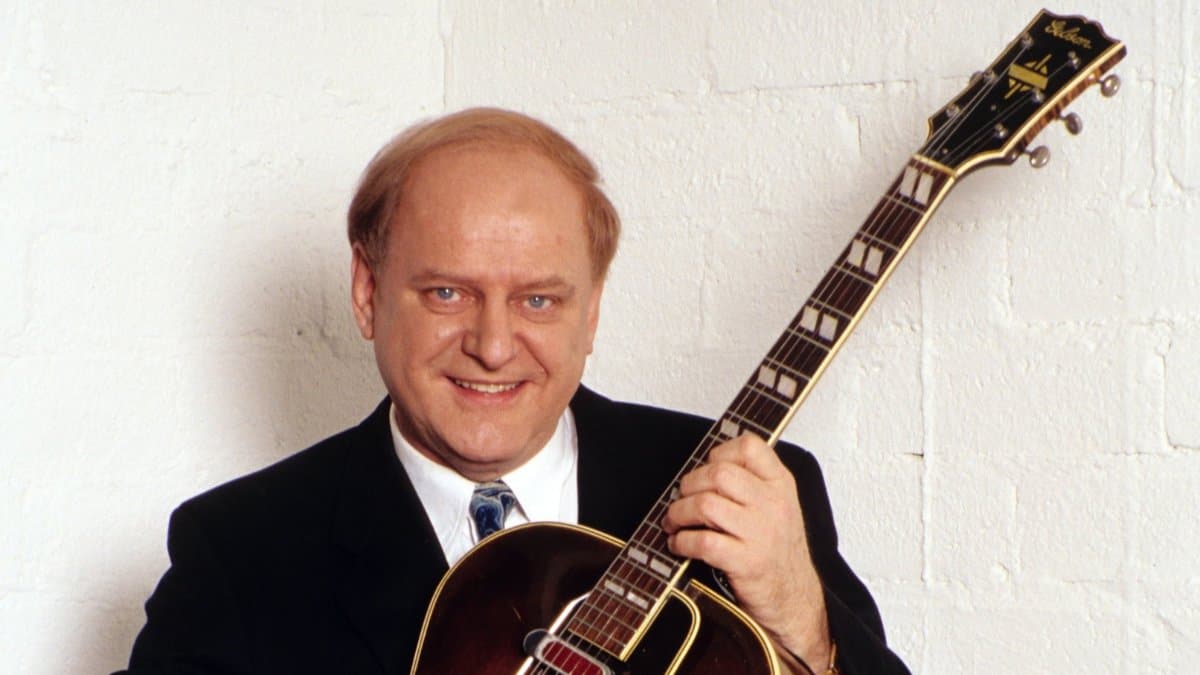
Casher heard a vocal quality when a variable tone control on a Vox amplifier moved between settings. He wanted to give guitarists the expressive range of a trumpet or trombone, so he worked with Brad Plunkett and other Thomas Organ engineers to adapt the circuit into a foot-operated effect.
Accounts place the development in 1966, while others date Casher and Plunkett's assembly of the foot-controlled unit to 1967. The work involved engineer Les Kushner and drew on a midrange boost circuit designed by Vox engineer Dick Denney.
Vox initially preferred to market the effect to electric trumpet and other horn players. Casher demonstrated it at music stores and industry events, and recorded a promotional album covering styles including blues, jazz, rock and country. Early reactions were muted, and James Brown dismissed the pedal as a passing fad.
Frank Zappa responded more positively and helped bring the effect to Jimi Hendrix's attention. Hendrix used wah throughout 1968's Electric Ladyland. Eric Clapton later used it with Cream on White Room, while Jimmy Page, David Gilmour and Tony Iommi also added it to their playing.
Echoes, screens and studios
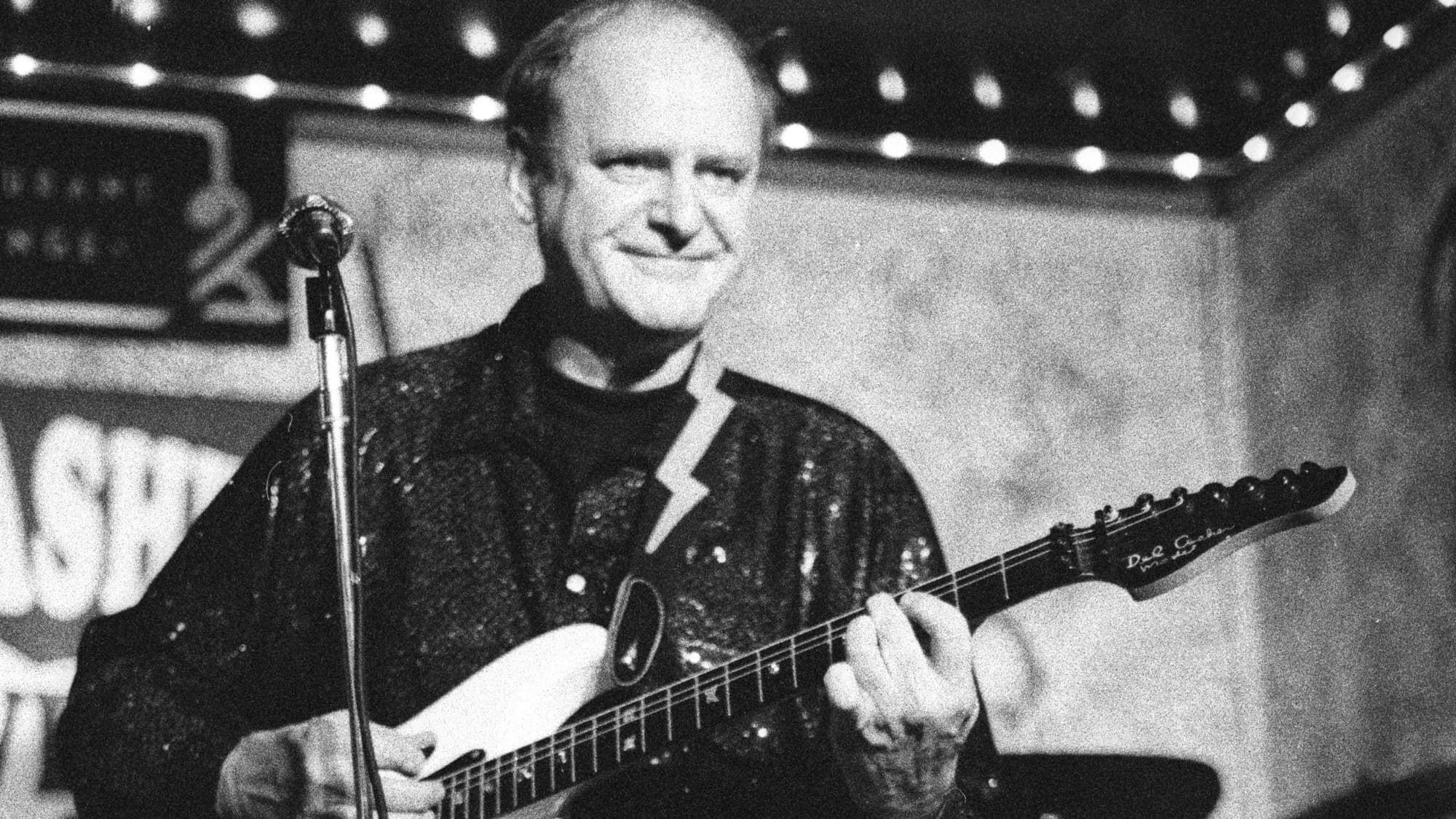
Casher also developed the portable Ecco-Fonic tape echo while touring with the Three Suns. His studio work included soundtracks for The Traveling Saleslady and The Ghost and Mr. Chicken, and he appeared alongside Elvis Presley in the 1964 film Roustabout.
During the 1970s, Casher was music director for the children's television program The New Zoo Revue. His later technology work included developing the Fender Electronic Echo Chamber and helping introduce Roland's early guitar synthesizer technology to US audiences.
A fundraiser for Eiko
Casher received no manufacturing royalties from the wah-wah pedal. After the pandemic devastated his sound studio business, financial hardship forced him to sell valuable guitars and equipment. He is survived by his wife, Eiko, and a GoFundMe campaign has been launched to support her following his death.
(Compiled)