Fender’s First Tone Master Signature Amp: ’59 Twin-Amp JB Edition
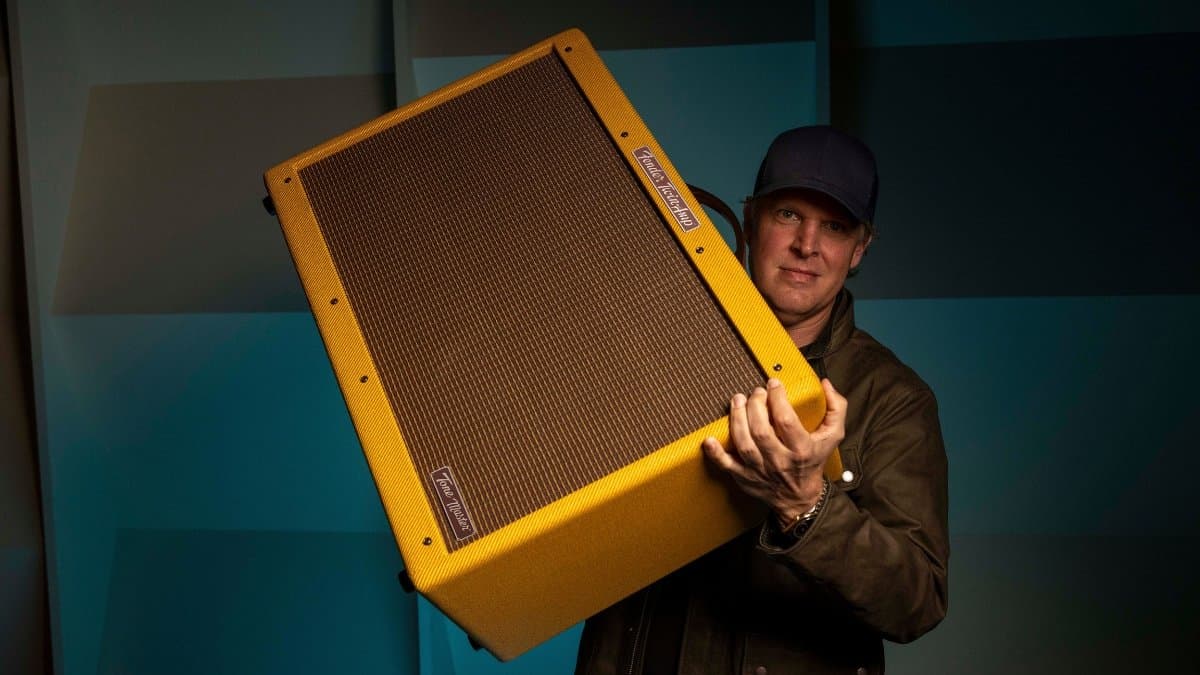
Fender and Joe Bonamassa launched the Tone Master ’59 Twin-Amp JB Edition on October 8, 2026. Available now, it is the first artist signature amplifier in Fender’s digital Tone Master range.
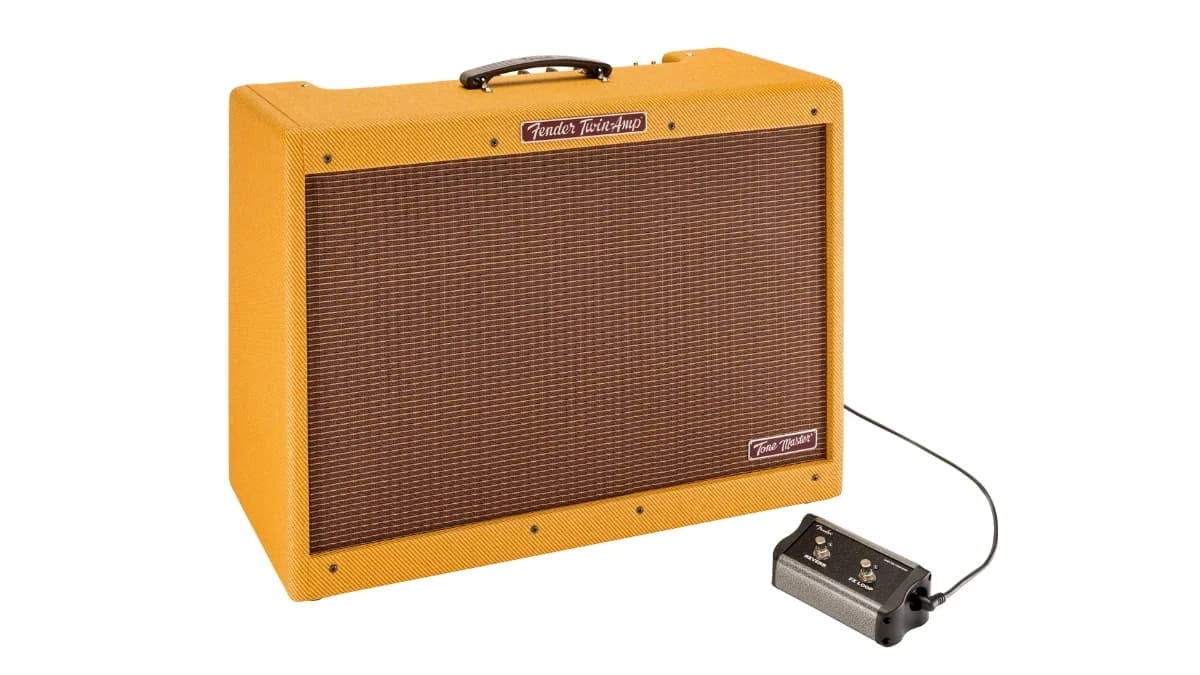
Vintage Twin sound in a lighter digital combo
The combo digitally recreates Bonamassa’s late 1950s Fender 5F8-A Twin, replacing vacuum tubes with digital technology. It delivers up to 85 watts through two custom 12 inch Celestion JB neodymium speakers and has a reported weight of 29 pounds. The control panel includes normal and bright volume controls, 3 band EQ, presence, convolution based spring reverb, and a Vintage/Tight switch for changing the low end response. An effects loop supports time based effects. For direct connections, the amp has a balanced XLR output, ground lift, and three onboard cabinet impulse responses. It is also compatible with Fender’s Tone Master IR Manager for loading custom speaker impulse responses. Power scaling reaches a reported half watt, although descriptions of the selector differ. Two reports describe six settings, including full power and five attenuated levels, while another describes a rotary dial with five positions. Pricing is $1,999.99 in the United States, £1,789 in the United Kingdom, and €2,099 in Europe.

Why it matters to guitar players
Power scaling lets players use a traditionally loud Twin design onstage or at a reported half watt. The neodymium speakers reduce the transport burden, while the balanced output supports recording and silent stage setups without placing a microphone in front of the speakers. Bonamassa tested an early unit on a European tour in the position normally occupied by a high powered tube Twin. He found the digital amp more consistent during performances because it did not become hot or fatigued like his tube amplifiers. The Tight setting gives picked notes the fast recovery and articulation he prefers. That immediate response can expose imprecise playing, so it may suit players who rely on a pick more than those seeking a slower legato bloom.
(Compiled)