Low-Cost Mods to Make a Gibson Les Paul Junior Look and Sound Vintage
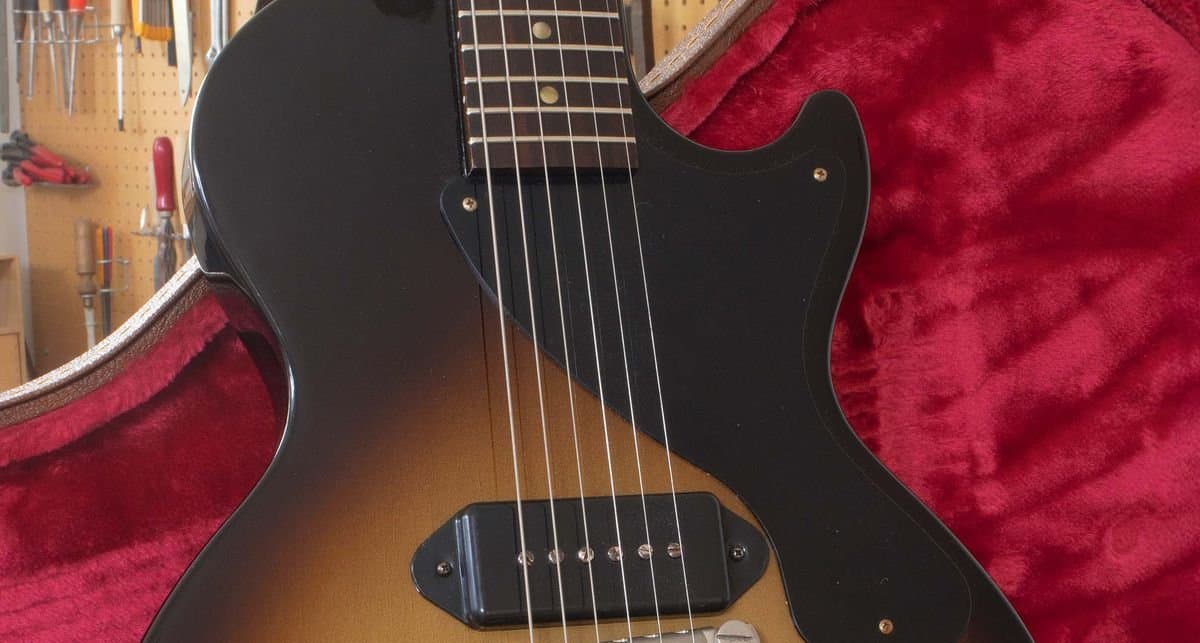
A parts swap project has shown how a modern Gibson Les Paul Junior VTB can move closer to 1950s specifications without refinishing, finish relicing or advanced luthier work. Players can start with 1950s wiring and era-appropriate plastic parts, then consider a vintage-spec pickup and tuners.
Start with the electronics and visible parts
Measure each potentiometer across its outer solder tags with the control fully open before replacing anything. Then check whether the tone control connects to the volume pot's center tag, as Gibson wired it during the 1950s and early 1960s. A vintage-style capacitor and 1950s wiring can replace the factory capacitor and jumper, while a 250k tone pot can soften the treble response. A non-potted P-90 made to vintage specifications is another option. For the visible parts, replace non-period knobs, the pickup cover and a laminated truss-rod cover with era-appropriate pieces. Soften sharp plastic edges with a scraper, reduce gloss using 0000-grade steel wool, then apply a light polish for a subdued sheen. To age gold knobs, remove some underside gold near the edges, add green enamel to suggest verdigris, and apply amber and brown tint outside. Three-on-a-plate tuners require more care. Masking tape between the outer holes helps reveal alignment, while repeated filing and test fitting keep material removal controlled.
Why this matters to guitar players
These changes separate reversible bench work from modifications that leave permanent evidence. Photograph the original wiring and hardware, take measurements, and test-fit every part before removing material. Start with the wiring and cosmetic substitutions if you already use a soldering iron. Attempt the tuner conversion only after accepting that new screw holes can remain visible, even when the replacement plates cover the original holes. The guitar in this project also had a pale, rough rosewood fretboard, but the available account does not support prescribing further fretboard treatment. This staged routine lets you judge each change by sight and by ear before moving to the next one.
(Via: Guitar World)