Second Hand Guitar Buying Guide and Inspection Checklist
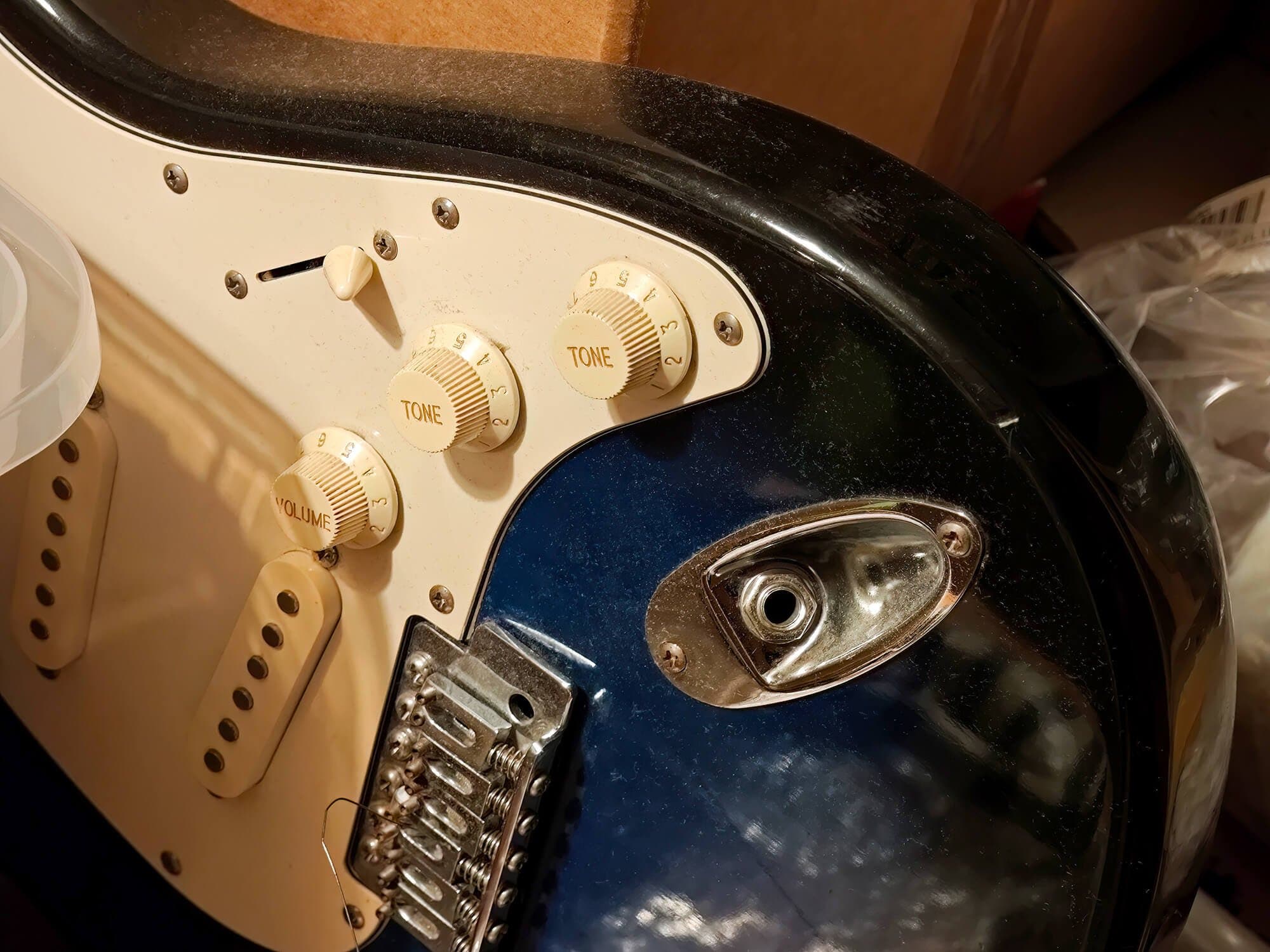
A second hand guitar can cost substantially less than a new instrument, but wear, neglect and earlier modifications can add repair bills. Before agreeing to a price, separate routine setup work from structural, hardware and electronics problems.
A second hand guitar inspection checklist
Body, neck and headstock
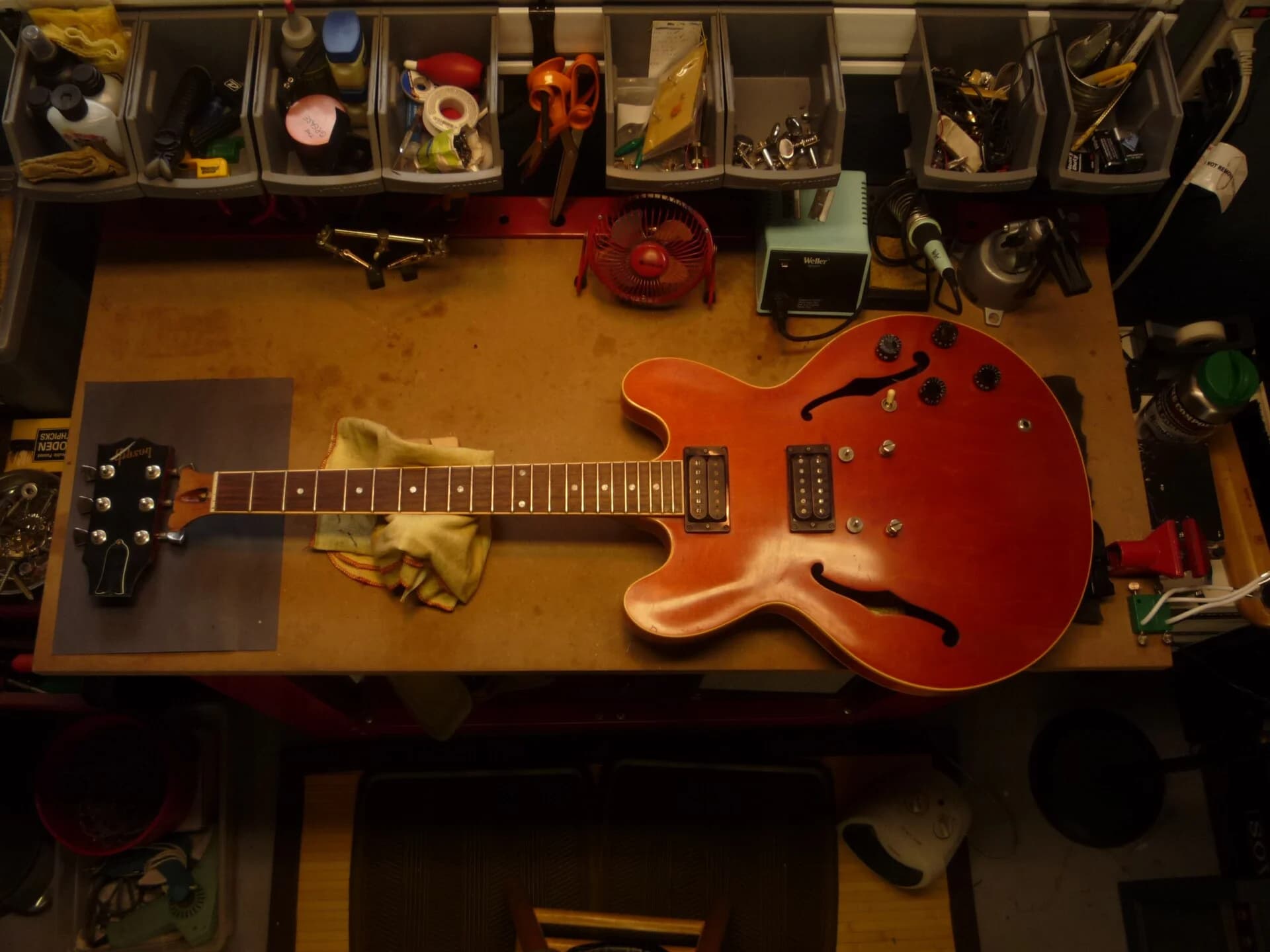
Examine the body, neck and headstock for breaks, cracks and chips. Treat any visible damage as a warning sign while assessing the instrument.
String action
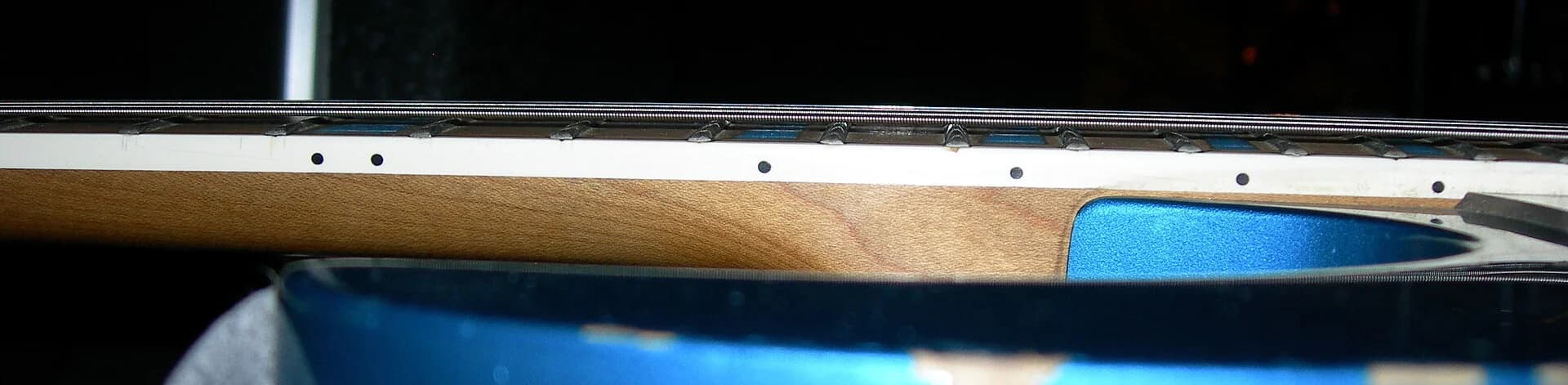
Check the action, the distance between the strings and frets, across the entire fretboard. Consistently high action may come from bridge height, while uneven action can point to a truss rod problem.
Acoustic top and bridge
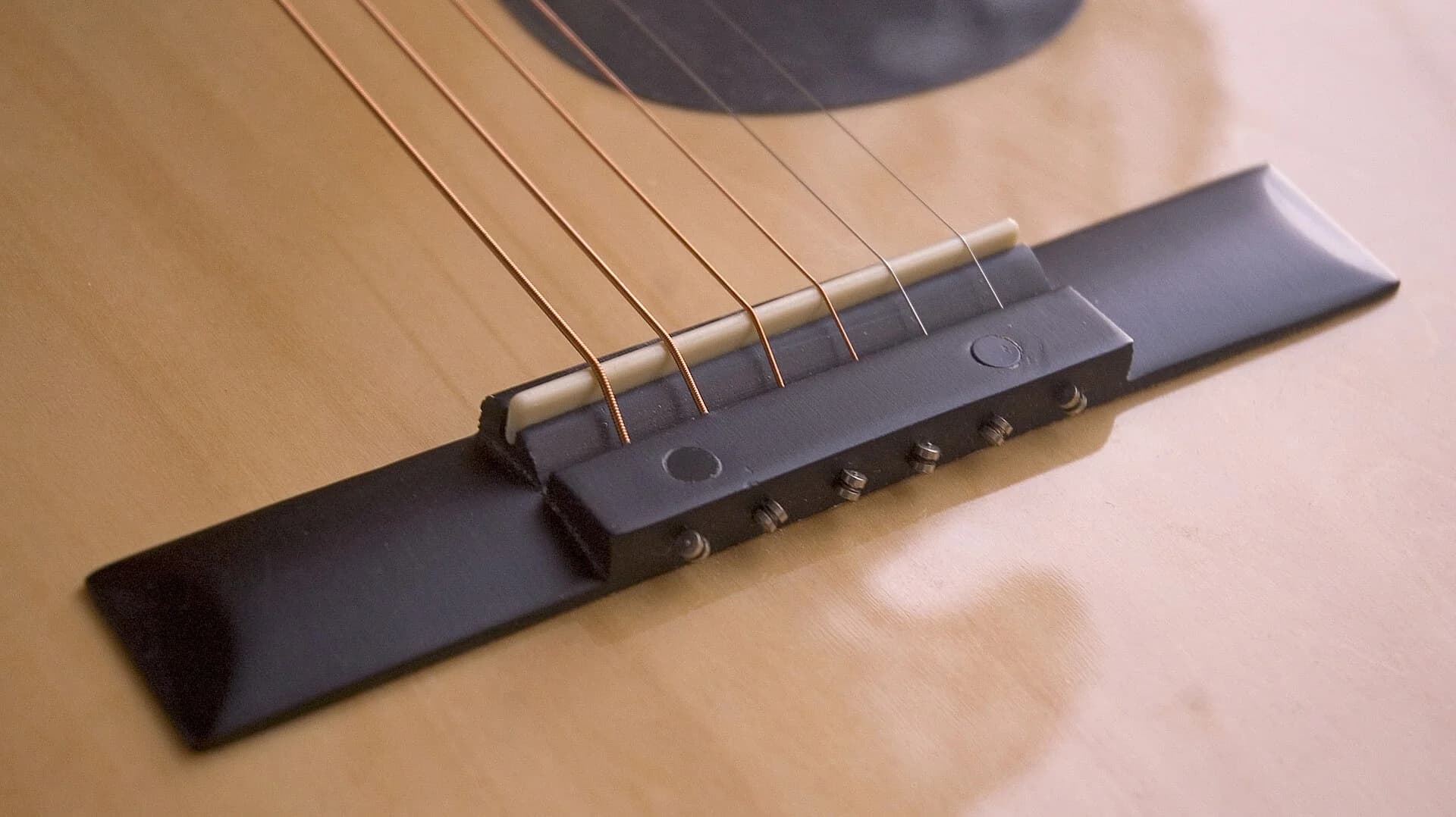
On an acoustic guitar, inspect the top for bulging and check whether the glued bridge is lifting. Either problem can raise the action and require major repairs.
Neck straightness
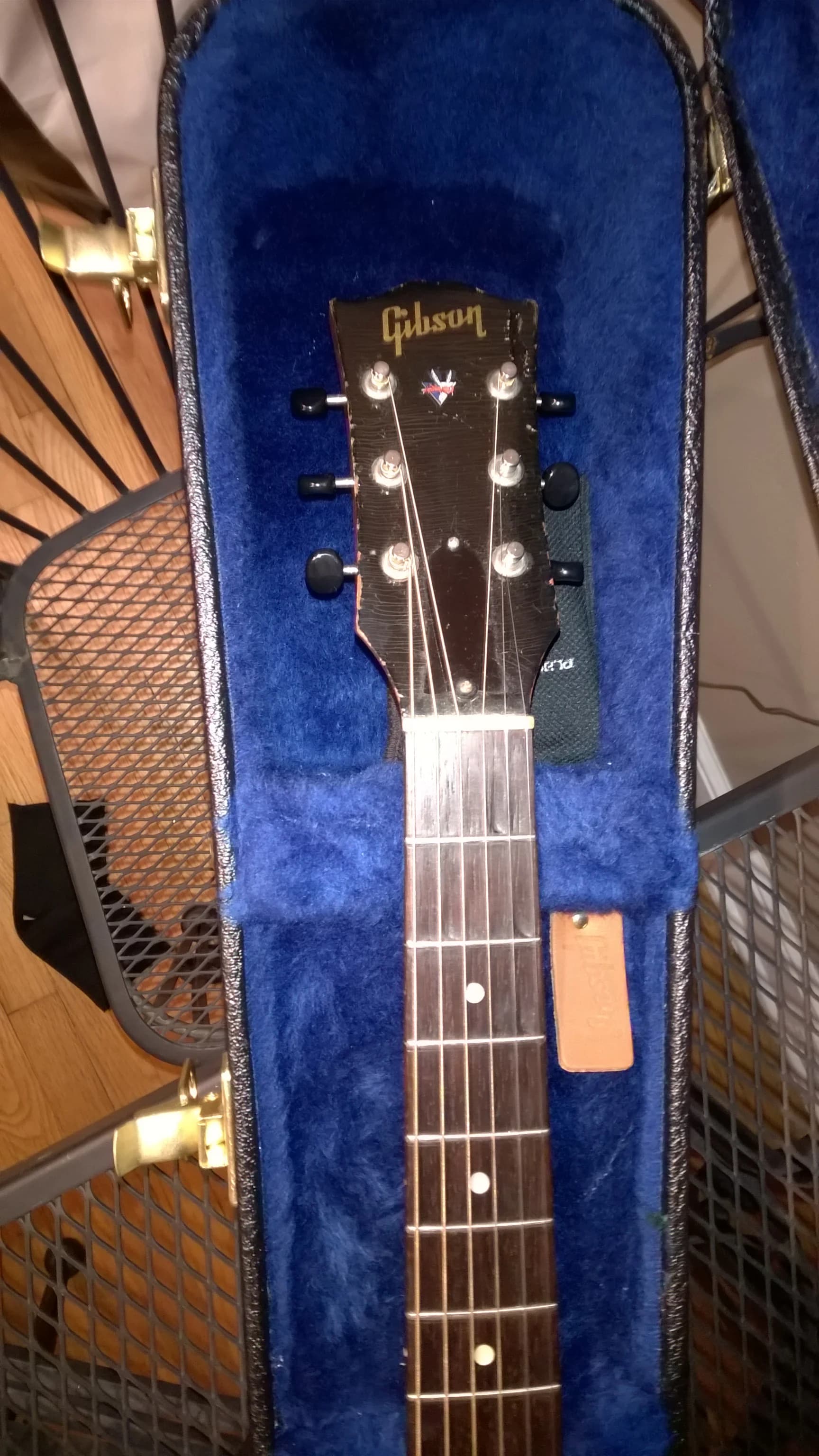
Sight from the headstock down the fretboard toward the bridge. Uneven bowing may reveal a warped neck that is difficult or impossible to correct.
Tuning machines, nut and bridge

Inspect the tuning machines, nut, bridge, screws and threads for looseness, chips, rust or seized movement. Confirm that every adjustable part moves smoothly.
Tremolo bridge
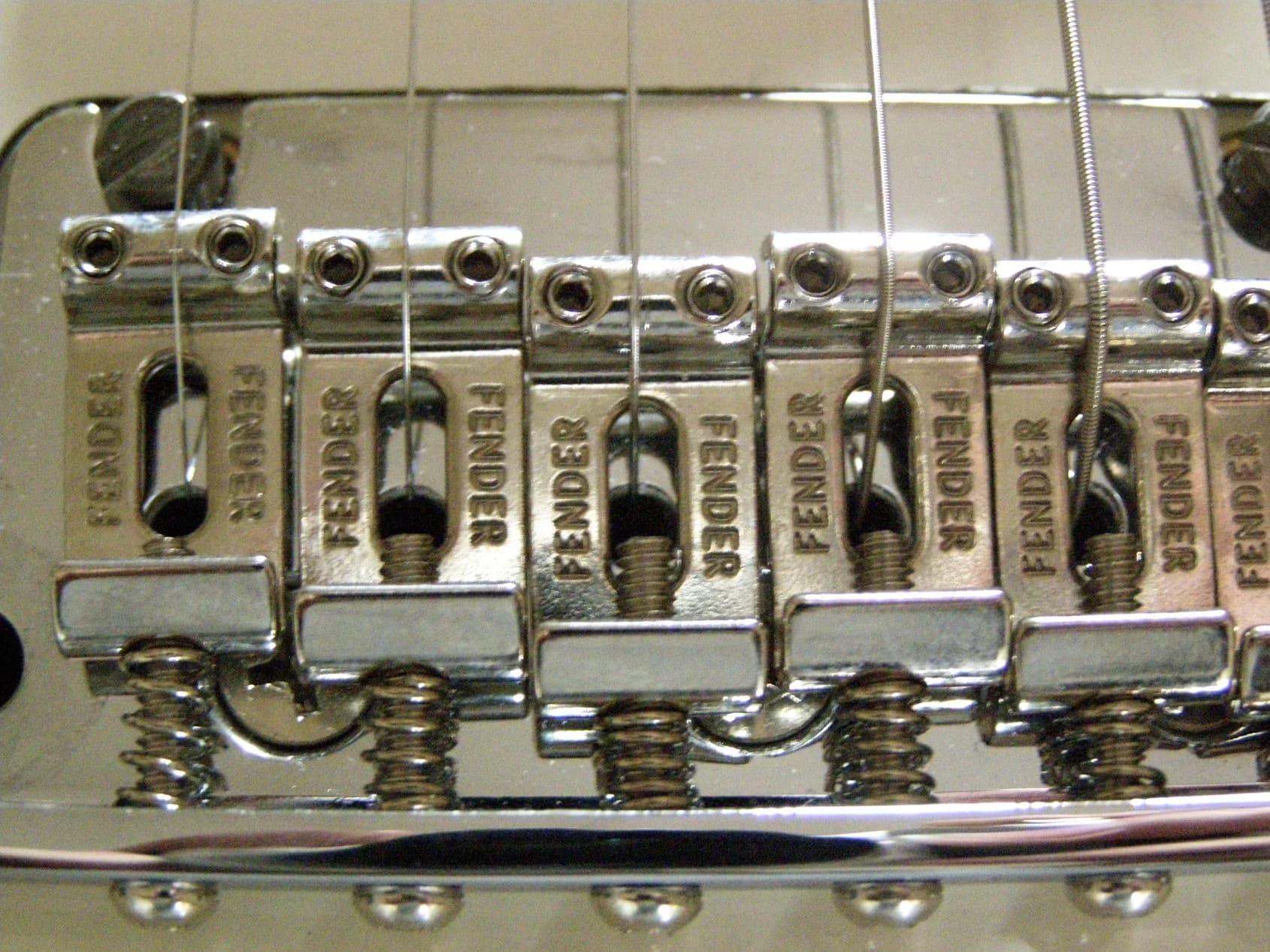
On a guitar with a tremolo, examine the bridge for wear that could undermine tuning stability.
Plugging in and testing the controls
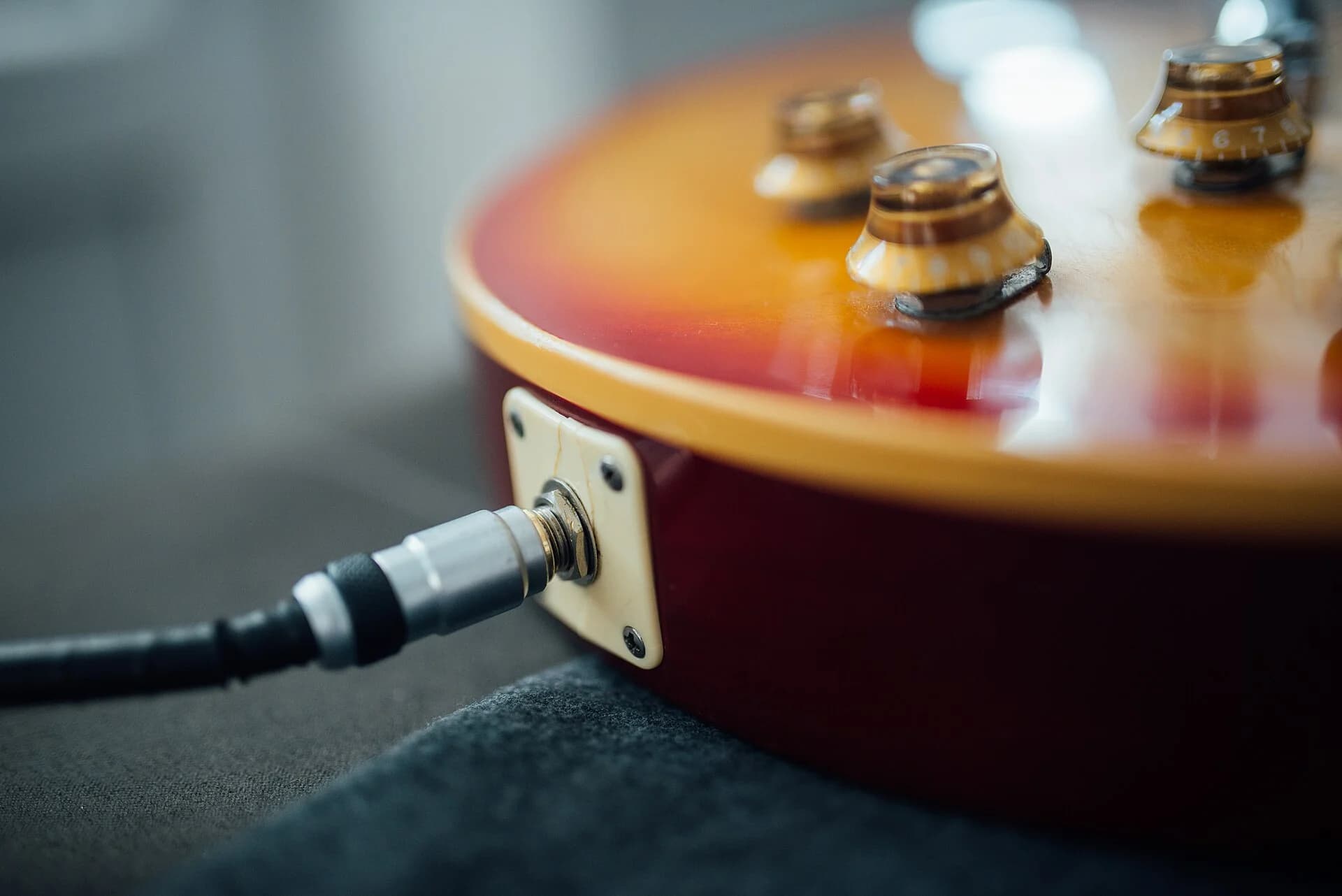
Plug in an electric guitar. Operate every pot and switch, then move the jack connection to detect scratching or an intermittent signal.
Control cavity
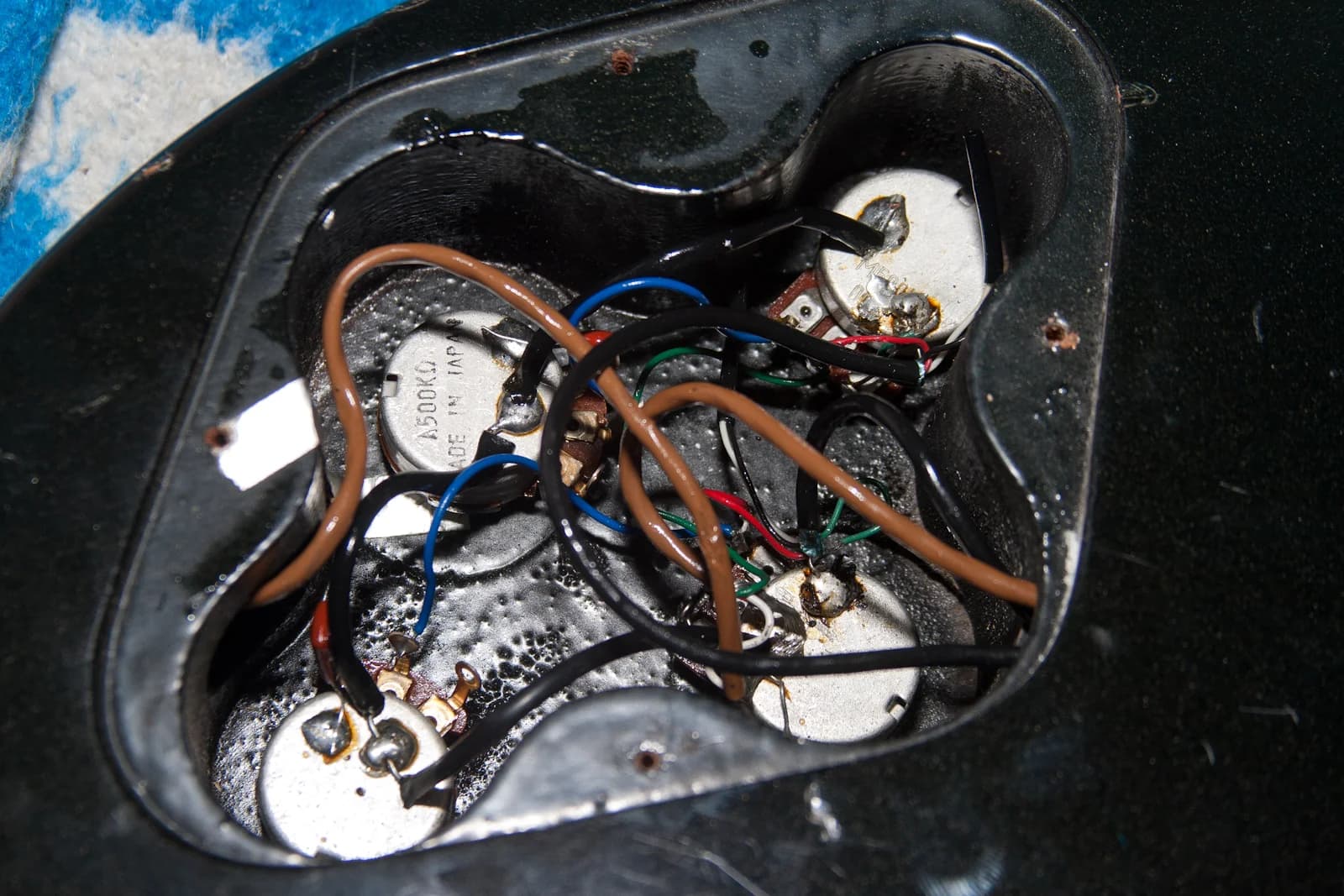
Open the control cavity where possible. Look for DIY modifications, tangled wiring or poor soldering that could require an electronics overhaul.
Add repair costs to the price
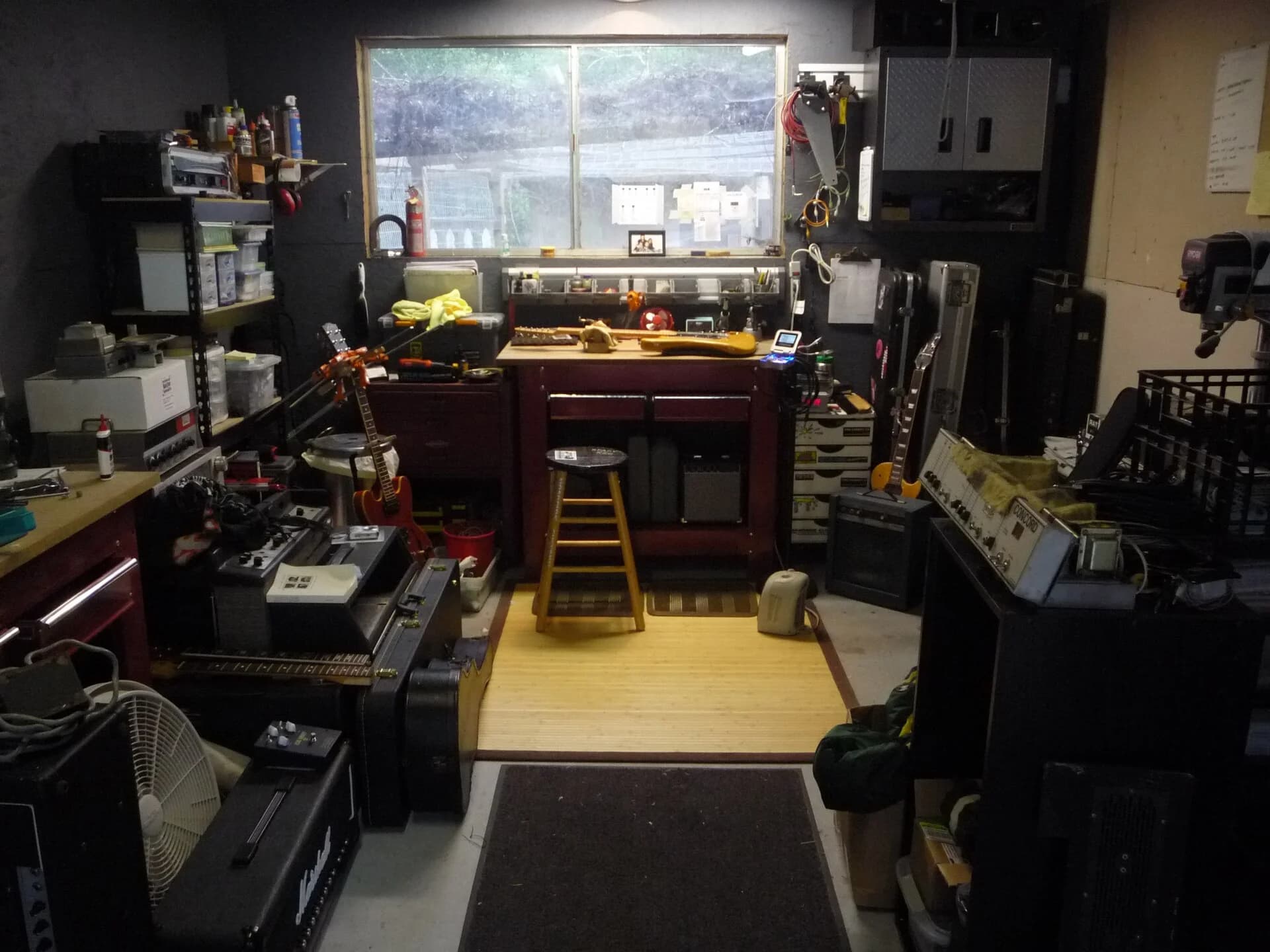
Price every necessary repair and replacement part into the deal instead of judging the guitar by its asking price alone.
Truss rod
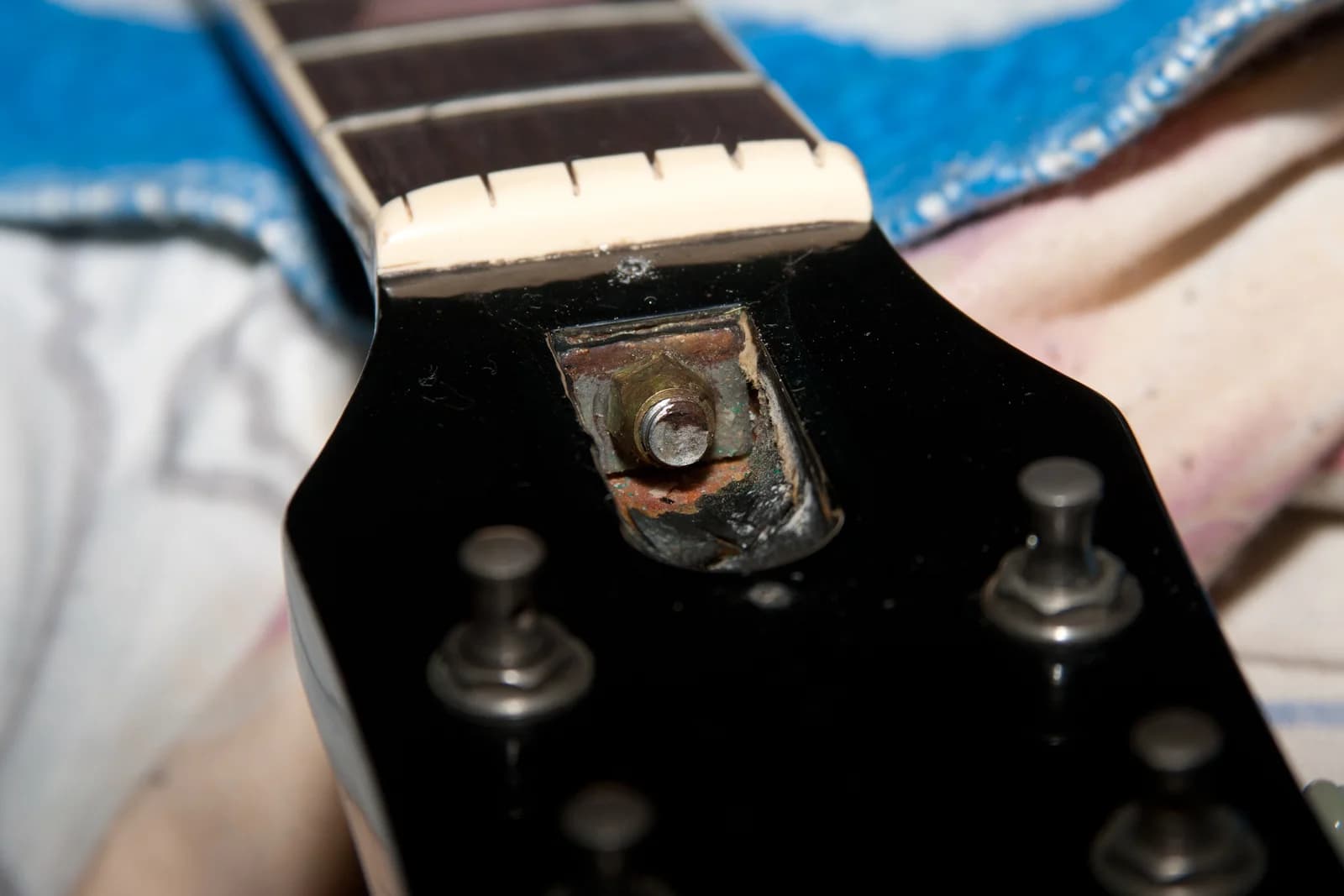
If uneven action suggests a truss rod problem, use a quarter turn with the correct Allen key. Confirm that the rod changes the neck as expected.
A low asking price is not always a bargain
A low asking price can hide work that changes the guitar's real cost. Routine setup work may fit your budget, while a warped neck, lifting acoustic bridge or failed truss rod can demand major repairs. Testing the instrument before purchase lets you base the price on its condition and the cost of required work.
(Via: Guitar.com)